

Moringa Leaf Powder: Benefits, Safety, and How to Use It
Affiliate disclosure: This article contains affiliate links. If you buy through them, Hillheal may earn a small commission at no extra cost to you. This is general information, not medical advice.
If you grew up in Pakistan, India, or almost anywhere in South Asia or Africa, you may already know the moringa tree. Many families cook its leaves and pods as everyday food. In Urdu and Punjabi it is often called suhanjna or sohanjna. In the last few years, dried moringa leaf powder has also become popular as a wellness supplement and a green addition to smoothies.
With any trending product, it is fair to ask: does it actually do anything? This guide covers what moringa leaf powder is, what research suggests, where the evidence is thin, and how to use it safely.
What Is Moringa Leaf Powder?
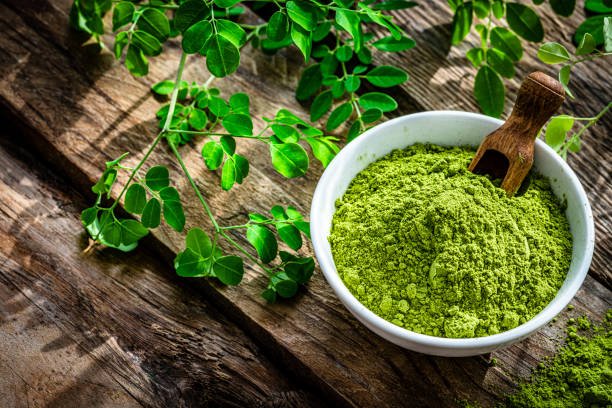
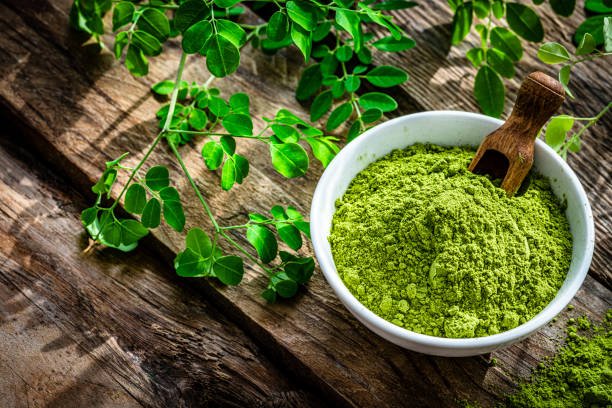
Moringa oleifera is a fast-growing tree. To make the powder, the leaves are picked, dried, and ground into a fine green powder. A good one contains just one ingredient: moringa leaf. Nothing else is added.
The taste is earthy and slightly bitter, a bit like spinach mixed with matcha. Some people love it, and others need a few tries to get used to it.
What Is Inside Moringa Leaves?
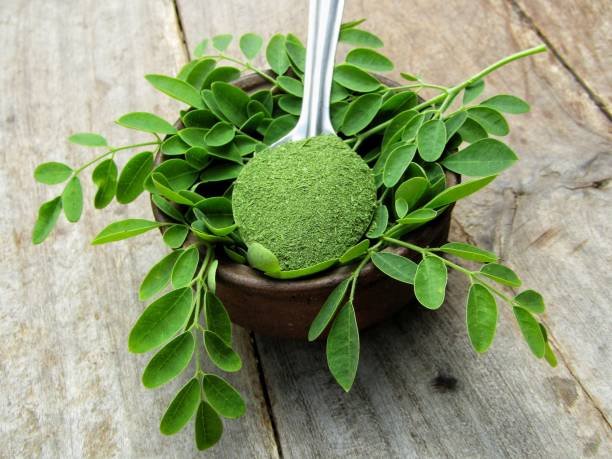
Moringa leaves are a nutritious plant food. Research reviews describe them as a source of protein, fibre, vitamin A (as beta-carotene), vitamin C, calcium, iron, and potassium. They also contain plant compounds such as flavonoids and polyphenols, which act as antioxidants.
One caution: the exact amounts vary with the soil, the climate, and how the leaves are dried. A teaspoon of powder is a small serving, so it adds a little nutrition to your day. It will not replace a balanced diet or a multivitamin.
Possible Benefits of Moringa Leaf Powder
Most of what you read online about moringa comes from lab studies, animal studies, and small human trials. Here is what is reasonably supported and what is still uncertain.
1. A simple way to add nutrients
Moringa has long been used in places where fresh vegetables and varied diets are harder to come by, and it is studied as a nutrition source in several countries. If you struggle to eat leafy greens, a small daily amount of powder can help fill the gap.
2. Antioxidant support
The antioxidants in moringa leaves, including vitamin C and various plant compounds, can neutralise unstable molecules called free radicals in lab tests. Antioxidants from food are generally good for long-term health. Still, lab results do not prove that taking moringa prevents disease in people.
3. Blood sugar
Some small human studies and animal studies suggest moringa leaf may lower blood sugar slightly, especially after meals. The studies tend to be small and short, and results are not consistent. Moringa is not a treatment for diabetes. If you take diabetes medicine, talk to your doctor first, because combining them could push your blood sugar too low.
4. Cholesterol and heart health
Animal research and a few small human studies hint at modest improvements in cholesterol levels. The human evidence is limited, so it is best seen as a promising area of study, not an established benefit.
5. Inflammation
Moringa contains compounds, such as isothiocyanates, that reduced inflammation markers in lab and animal experiments. Whether this translates into real relief for people is not yet clear.
6. Breastfeeding
Moringa has been used traditionally in some cultures to support milk supply. A few small studies have looked at this, but the evidence is too weak for health authorities to recommend it. If you are breastfeeding, speak to your doctor or midwife before using it.
What Moringa Will Not Do
To be fair to readers, moringa is not:
- A cure for diabetes, high blood pressure, cancer, or any disease
- A proven weight-loss product
- A substitute for prescribed medicine
Claims like these are common on supplement websites, but the research does not support them.
Is Moringa Leaf Powder Safe?
For most healthy adults, moringa leaf in food amounts or small supplement amounts appears to be well tolerated. Keep these points in mind:
- Digestive upset. Too much, especially at the start, can cause gas, loose stools, or an upset stomach.
- Pregnancy. Medical sources advise that moringa root and bark should be avoided during pregnancy. Because the safety of leaf supplements in pregnancy is not well established, check with your doctor before using any form.
- Medicines. Moringa may affect blood sugar and blood pressure, and it may interact with some medicines, including diabetes drugs, blood pressure drugs, and thyroid medicine. Ask your doctor or pharmacist if you take regular medication.
- Thyroid conditions. If you have a thyroid problem, ask your doctor before starting.
- Quality. Plant powders can contain contaminants like heavy metals depending on where and how they were grown. Choose a product from a seller that shares third-party lab testing.
How to Choose a Good Moringa Leaf Powder
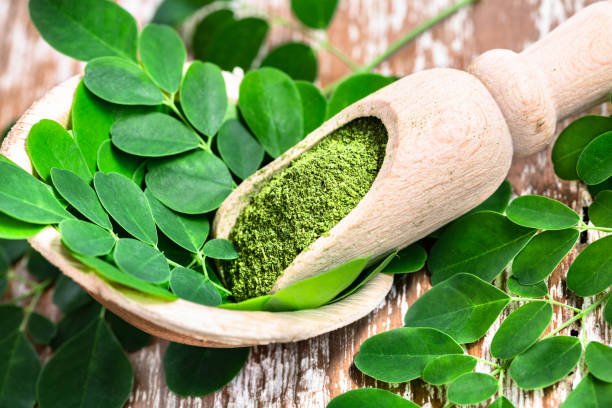
A few simple checks:
- One ingredient only. The label should say moringa leaf powder, with no fillers, sugar, or flavours.
- Bright green colour. Dull brown or yellow powder may be old or badly dried.
- Fresh smell. It should smell grassy and mild, not musty.
- Testing. Look for lab testing for contaminants.
- Clear instructions. The seller should give a suggested serving size.
How to Use Moringa Leaf Powder
Start small. Half a teaspoon a day for the first week lets your stomach adjust. Many people then move up to about one teaspoon daily. Follow the serving size on your product label, and do not assume more is better.
Easy ways to use it:
- Smoothies. Blend with banana, mango, or yogurt, which hide the bitter taste.
- Warm drink. Stir into warm (not boiling) water with lemon and a little honey.
- Soups and curries. Add a pinch near the end of cooking.
- Yogurt or oats. Mix a small spoonful into your breakfast.
- Roti or paratha dough. A little powder adds colour and nutrition.
Avoid very hot water, which can make the taste harsher. Store the powder in a cool, dry, airtight container away from sunlight.
Healthy Habits Matter More
No powder replaces the basics. Moringa works best as a small extra on top of:
- A varied diet with vegetables, fruit, pulses, and whole grains
- Regular walking or other movement
- Enough sleep and water
- Routine health check-ups
Frequently Asked Questions
Can I take moringa leaf powder every day?
Small daily amounts seem to be fine for most healthy adults. If you have a health condition or take medicine, ask your doctor first.
How much moringa powder should I take?
Follow your product label. Beginners usually start with half a teaspoon and see how they feel.
When is the best time to take it?
There is no proven best time. Many people take it in the morning with breakfast. If it upsets your stomach, take it with food.
Does moringa help with weight loss?
There is no strong evidence that it does. Any effect would be small, and diet and activity matter far more.
Is moringa safe during pregnancy?
Moringa root and bark are best avoided. For the leaf, evidence is limited, so ask your doctor before using it.
Does moringa lower blood sugar?
Some small studies suggest a mild effect, but it is not a treatment. People using diabetes medicine should talk to their doctor first.
Can children take moringa?
Moringa leaves are eaten as food in many families, but supplement doses for children should be checked with a pediatrician.
What does moringa taste like?
Earthy and a little bitter. Mixing it with fruit or yogurt helps.
Conclusion
Moringa leaf powder is a nutrient-rich, traditional plant food that is easy to add to everyday meals. It may offer antioxidant and nutritional support, and early research on blood sugar and cholesterol is interesting. But the evidence is still limited, and it is not a cure or a replacement for medical care. Start with a small amount, choose a clean single-ingredient product, and check with your doctor if you are pregnant, breastfeeding, or taking medication.
This article is for educational purposes and does not replace professional medical advice.