
Curcumin Benefits: How This Golden Spice May Support Your Health
Have you ever wondered why turmeric has been used in traditional cooking and wellness practices for centuries? This bright golden spice is more than a kitchen ingredient. It contains a natural compound called curcumin, which has attracted scientific interest for its antioxidant and anti-inflammatory properties.
From supporting a balanced diet to helping maintain overall wellbeing, curcumin is a popular topic among people interested in natural health. Researchers have studied its potential relationship with joint health, heart health, digestion, and cognitive function. However, the evidence varies, and curcumin should not be considered a cure for medical conditions.
If you are interested in learning more about turmeric, curcumin, and modern supplements, this guide explains what you should know—and introduces Curcumitol-Q as one product you may wish to explore.
Affiliate disclosure: This article may contain affiliate links. If you purchase through them, HillHeal may earn a commission at no additional cost to you.
Turmeric and Curcumin

What Is Curcumin?
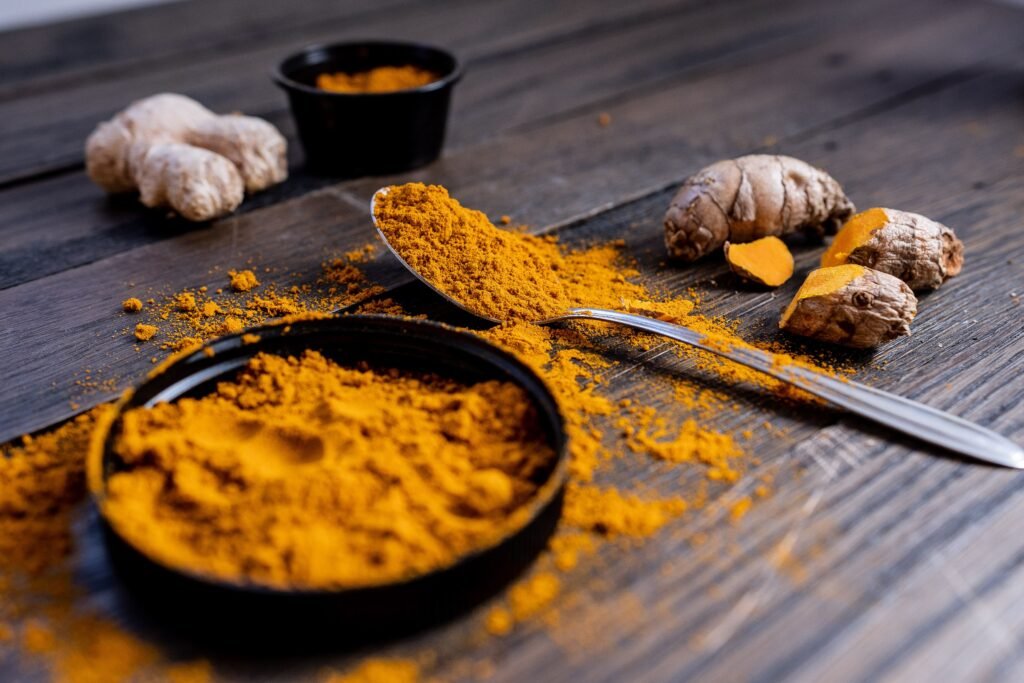
Curcumin is a naturally occurring compound found in turmeric, the golden-yellow spice commonly used in South Asian and other cuisines. Turmeric has a long history in traditional food and wellness practices, while modern researchers continue to investigate curcumin’s biological properties.
One reason curcumin attracts attention is its potential antioxidant and anti-inflammatory activity. Antioxidants help protect cells from certain forms of oxidative damage, while inflammation is a normal part of the body’s response to injury and other challenges.
Inflammation itself is not always harmful. It plays an important role in the body’s natural defence and repair processes. Problems can arise when inflammatory processes are inappropriate or persist for too long.
Scientists are studying whether curcumin supplementation may be useful in particular circumstances. However, promising laboratory findings do not automatically mean that taking a supplement will produce the same effects in people.
Turmeric vs. Curcumin: What Is the Difference?
Turmeric is the whole spice obtained from the root of the turmeric plant. Curcumin is one of its active compounds.
Turmeric contains several natural substances, and curcumin makes up only a portion of the spice. Supplements may use concentrated curcumin extracts or specialised formulations intended to improve absorption.
This distinction matters because the amount of curcumin in a turmeric-containing food can differ considerably from the amount provided by a concentrated supplement.
For everyday cooking, turmeric can add colour and flavour to curries, soups, rice dishes, and vegetable recipes. Supplements are a separate option and should be evaluated according to their ingredients, quality, safety information, and supporting evidence.
Why Is Curcumin Bioavailability Important?
One challenge with curcumin is its relatively low bioavailability in conventional forms. In simple terms, this means that the body may absorb and use only a limited amount after oral consumption.
Researchers have investigated different ways of improving curcumin formulations, including combinations with other compounds and specialised delivery methods.
However, a product’s absorption claims should be supported by evidence specific to its formulation. A claim that a supplement has superior bioavailability does not automatically prove that it produces better health outcomes.
When comparing supplements, look beyond phrases such as “maximum absorption” or “most powerful.” Check whether the manufacturer provides reliable research on the actual finished product.
Potential Benefits of Curcumin: What Does Research Suggest?
1. Antioxidant and Inflammation Support

Curcumin has been studied for its antioxidant properties and its influence on biological pathways involved in inflammation.
This research has made curcumin an interesting subject in nutrition and health science. Nevertheless, the results of human studies vary depending on the formulation, dosage, duration, and health outcome being examined.
Curcumin should not be promoted as a guaranteed treatment for chronic inflammation or any disease. If you have persistent pain, swelling, or other symptoms, consult a qualified healthcare professional.
2. Joint Health and Mobility

Joint comfort is an important part of maintaining an active lifestyle, particularly as people grow older.
Some clinical studies have investigated turmeric and curcumin preparations for symptoms associated with conditions such as osteoarthritis. Results have been encouraging in some studies, but the evidence is not conclusive for every formulation or person.
Curcumin supplements should not replace prescribed joint treatments, physical therapy, or medical advice. Gentle activity, suitable exercise, and guidance from a healthcare professional may also help support mobility.
3. Heart Health
Heart health depends on many factors, including blood pressure, cholesterol levels, physical activity, diet, sleep, genetics, and smoking status.
Researchers have studied curcumin in relation to several cardiovascular risk markers. However, evidence that a supplement improves a particular marker is not the same as evidence that it prevents heart attacks or heart disease.
For everyday heart health, focus on a balanced eating pattern, regular physical activity, avoiding smoking, and following medical advice for blood pressure and cholesterol management.
4. Brain Health and Memory

Curcumin has attracted interest in research related to the brain because of its biological and antioxidant properties.
Scientists continue to investigate whether curcumin may influence aspects of cognitive function. But claims that a supplement prevents dementia, reverses memory loss, or reliably improves learning go beyond what can be concluded from the information provided here.
To support brain health, prioritise adequate sleep, regular movement, social engagement, a nutritious diet, and medical assessment for new or worsening memory problems.
5. Digestive Health

Turmeric is used in many traditional food practices, and curcumin has been investigated for its potential role in digestive health.
However, evidence differs across digestive conditions, and it is not established that curcumin supplements generally strengthen the stomach lining or treat digestive inflammation.
For everyday digestive wellbeing, a varied diet containing fibre-rich foods, sufficient fluids, and regular meals can be a useful starting point. Persistent abdominal pain, bleeding, ongoing diarrhoea, or other concerning symptoms should be assessed by a healthcare professional.
Introducing Curcumitol-Q: A Curcumin and Quercetin Supplement
If you are researching curcumin supplements, Curcumitol-Q is a product marketed by Advanced Bionutritionals. According to the product information you supplied, its formula combines BDMC30 concentrated curcumin III with quercetin.
Quercetin is a naturally occurring plant compound found in foods such as onions, apples, and other fruits and vegetables. It has also been investigated for its antioxidant and other biological properties.
The product is promoted around the idea of combining these compounds in a formulation designed to improve curcumin bioavailability. Before relying on claims about superior absorption or effectiveness, check whether the manufacturer provides independent or published clinical evidence on the finished product.
Curcumitol-Q

WordPress image note: If you have the official Curcumitol-Q bottle image, upload that image to your Media Library and use it here instead of a general image.
What Makes Curcumitol-Q Different?
Based on the promotional information supplied, the product’s main selling points are:
- BDMC30 concentrated curcumin III: A specialised curcumin ingredient highlighted in the product description.
- Quercetin: A plant-derived compound with antioxidant properties that has been studied in its own right.
- A bioavailability-focused formula: The product is marketed around improving the body’s ability to absorb curcumin.
- A convenient supplement format: The product is intended for consumers who prefer a supplement rather than relying only on dietary sources.
These are descriptions of the product’s positioning, not independent proof that it is the most bioavailable curcumin supplement available or that it delivers superior clinical results.
Want to learn more about Curcumitol-Q?
Check Curcumitol-Q Product Details and Current Availability
Replace the placeholder with your own Curcumitol-Q affiliate link before publishing.
Who Might Be Interested in Curcumitol-Q?
Curcumitol-Q may interest adults who are exploring curcumin supplements as part of a broader approach to wellbeing, including people who:
- Want to learn more about curcumin and quercetin.
- Are interested in nutritional supplements for general wellness.
- Want to compare different curcumin formulations.
- Prefer to research ingredients and product labels before buying.
- Are interested in healthy aging and maintaining an active lifestyle.
This does not mean the product is appropriate for everyone. Its suitability depends on individual circumstances, health conditions, medications, and the actual product formulation.
Is Curcumitol-Q Safe for Everyone?
Natural ingredients can still have side effects and interact with medicines. Curcumin supplements may cause digestive discomfort in some people, and certain high-bioavailability formulations have been associated with rare cases of liver injury.
Curcumin and quercetin may also interact with certain medicines. If you take prescription drugs, have a liver or gallbladder condition, are pregnant or breastfeeding, or are preparing for surgery, consult a qualified healthcare professional before using the supplement.
Do not stop or replace prescribed treatment with a dietary supplement.
Before purchasing Curcumitol-Q, review the full ingredient list, serving instructions, warnings, seller information, and refund policy. Do not assume that a higher absorption claim necessarily means a product is safer or more effective.
Natural Ways to Include Turmeric in Your Diet
You do not need to purchase a supplement to enjoy turmeric as a food ingredient. You can add it to meals in practical ways:
- Stir a little turmeric into lentil soup or vegetable curry.
- Add it to rice dishes for colour and flavour.
- Combine it with ginger and other spices in a homemade soup.
- Experiment with turmeric in roasted vegetables.
- Use it as part of a varied, balanced eating pattern.
Food amounts and concentrated supplements are not equivalent, so these cooking suggestions should not be treated as a substitute for a supplement or a medical treatment.
Final Thoughts: Is Curcumin Worth Exploring?
Curcumin is an interesting natural compound that has attracted research into inflammation-related processes, joint health, and other areas of wellbeing. But the strength of evidence varies, and many health claims made in supplement marketing need careful evaluation.
Curcumitol-Q is marketed as a specialised combination of BDMC30 concentrated curcumin III and quercetin, with a focus on bioavailability. If you are considering it, examine the product’s current label and the evidence supporting its specific claims rather than relying solely on promotional language.
A healthy lifestyle still matters most: eat a varied diet, stay active, sleep well, and seek appropriate medical advice when needed.
Medical and Affiliate Disclaimer
This article is for educational purposes only and does not provide medical advice or claim that curcumin or Curcumitol-Q can diagnose, treat, cure, or prevent any disease. Research findings on individual ingredients do not necessarily establish the benefits of a finished supplement. Speak with a qualified healthcare professional before taking supplements, particularly if you take medication or have an existing health condition.
HillHeal may receive a commission from qualifying purchases made through affiliate links, at no extra cost to the buyer.