
The Power of Foods: Ancient Chinese Wisdom Meets Modern Nutrition
Have you ever wondered how the foods you eat every day can influence how you feel? From the energy you need to start your morning to the nourishment that supports digestion and overall wellbeing, food plays an important role in everyday life.
For centuries, Traditional Chinese Medicine (TCM) has viewed food as an important part of maintaining balance and supporting health. Today, modern nutritional science helps us understand how the vitamins, minerals, fibre, antioxidants, and other compounds found in foods contribute to normal body functions.
Although these two approaches have different foundations, both encourage people to pay attention to what they eat and how food fits into their daily lives.
The good news is that you do not need a complicated diet to begin eating better. Learning about nutritious foods and finding practical ways to include them in your meals can be a simple first step towards a healthier lifestyle.

What Are Power Foods?
The term power foods generally refers to foods that provide valuable nutrients and beneficial plant compounds. There is no single official list of power foods, but many nutritious options are easy to find in ordinary grocery shops and local markets.
Examples include:
- Berries: Blueberries, strawberries, and other berries provide fibre and naturally occurring plant compounds.
- Leafy green vegetables: Spinach, kale, and other greens supply vitamins, minerals, and fibre.
- Nuts and seeds: Walnuts, almonds, chia seeds, and flaxseeds provide healthy fats, fibre, and other nutrients.
- Whole grains: Oats, brown rice, and whole-wheat foods contribute fibre and energy.
- Beans and lentils: These are useful sources of plant protein, fibre, and minerals.
- Ginger and garlic: Common ingredients used to add flavour and are also valued in various traditional food practices.
- Fish: Fish such as salmon provide protein, and some varieties supply omega-3 fatty acids.
No individual food can provide everything your body needs. The real benefit comes from eating a variety of nutritious foods regularly.
Traditional Chinese Medicine: The Ancient Wisdom of Food

Traditional Chinese Medicine has a long history of using food and herbs as part of a broader approach to wellbeing. In TCM, foods may be described according to qualities such as warming, cooling, or neutral, and food choices may be considered in relation to a person’s individual constitution and the seasons.
For example, ginger is traditionally used in warming food preparations, while foods such as cucumber are often described as cooling within this framework. Goji berries and red dates are also familiar ingredients in some traditional Chinese food practices.
These traditional classifications are part of the TCM system; they are not the same as scientific measurements of temperature or proof that a food treats a particular illness.
One useful lesson from traditional food cultures is the importance of variety, thoughtful food preparation, and making eating a regular part of caring for yourself.
What Does Modern Nutritional Science Say?
Modern nutrition examines the nutrients and compounds found in foods and how they affect the body. Researchers study how dietary patterns relate to health, including heart health, digestion, and the risk of certain chronic diseases.
Some examples help explain the connection between food and wellbeing.
1. Antioxidants and Plant Compounds

Fruits, vegetables, nuts, and other plant foods contain naturally occurring compounds, including antioxidants. These substances are studied for their roles in biological processes, including the body’s response to oxidative stress.
Eating a wide range of colourful plant foods is a practical way to obtain different nutrients and plant compounds. However, eating a particular fruit or vegetable should not be viewed as a guaranteed way to prevent or cure disease.
2. Fibre and Digestive Health

Fibre is an important part of a healthy diet. It is found in foods such as oats, beans, lentils, fruit, vegetables, nuts, and whole grains.
Getting enough fibre can support regular bowel movements and contribute to digestive health. Some types of fibre also help nourish beneficial gut bacteria.
If you want to increase your fibre intake, do it gradually and drink enough fluids to help your digestive system adjust.
3. Healthy Fats and Essential Nutrients

Your body needs dietary fats for several important functions, including absorbing fat-soluble vitamins. Unsaturated fats found in foods such as nuts, seeds, olive oil, avocado, and some fish can be part of a balanced eating pattern.
The aim is not to eliminate fats completely but to choose a variety of nutritious foods and keep your overall diet balanced.
4. Food, Energy, and Mental Wellbeing

Your body needs energy and nutrients to support daily activities, concentration, and normal brain function. Regular balanced meals can help you meet your nutritional needs.
A healthy eating pattern may include whole grains, protein-rich foods, fruit, vegetables, and healthy fats. Adequate sleep, physical activity, hydration, and stress management are also important.
If you experience persistent fatigue, poor concentration, or unusual weakness, food changes alone may not solve the problem. Consider speaking with a healthcare professional to identify possible causes.
How Can You Combine Traditional Food Wisdom with Modern Nutrition?
You do not need to choose between traditional food practices and modern nutritional knowledge. You can appreciate cultural food traditions while using reliable nutritional information to make everyday decisions.
Here are five practical ways to start:
- Eat a variety of colours. Include different fruits and vegetables throughout the week.
- Choose whole foods more often. Beans, lentils, whole grains, nuts, and fresh produce can form the foundation of many meals.
- Use herbs and spices for flavour. Ginger, garlic, cinnamon, and other seasonings can make nutritious meals more enjoyable.
- Pay attention to your body’s needs. Your nutritional requirements may vary with age, activity level, health, and other factors.
- Be cautious about health claims. Traditional use can be culturally meaningful, but it does not automatically establish that a food or herb treats a medical condition.
The goal is to create an eating pattern that is nutritious, enjoyable, affordable, and realistic for your lifestyle.
A Closer Look at The Encyclopedia of Power Foods
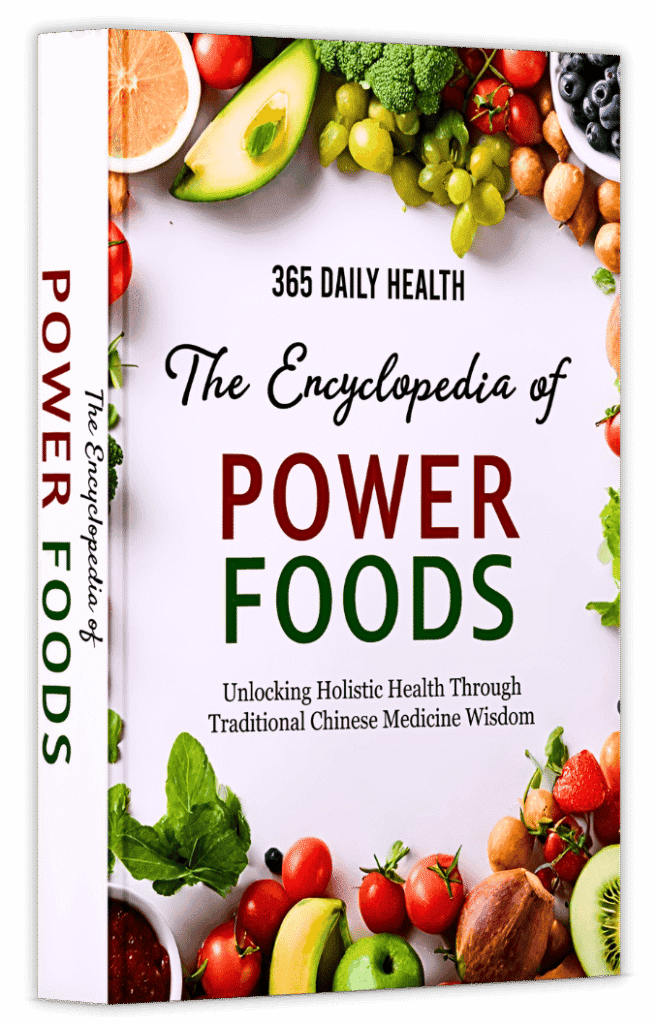
If you enjoy learning about nutrition and want a resource to explore different foods in greater detail, The Encyclopedia of Power Foods may be worth considering.

According to the product description, The Encyclopedia of Power Foods is a 375-page eBook covering more than 300 power foods, their nutritional qualities, and their place in traditional food practices, including Traditional Chinese Medicine.
The eBook aims to bring together traditional perspectives and modern nutritional information in a format that readers can explore at their own pace.
Rather than focusing on one particular ingredient, the book is presented as a broad guide for readers who want to learn about different foods and consider how to include them in everyday meals.
What Can You Explore in the eBook?
According to the supplied description, readers can explore:
- More than 300 foods: Discover a wide range of ingredients and learn about their nutritional properties.
- Traditional Chinese Medicine perspectives: Learn how food has been viewed within traditional Chinese food practices.
- Modern nutrition information: Explore nutrients and plant compounds associated with different foods.
- Everyday food choices: Use the information as a starting point for thinking about balanced meals and dietary variety.
- A broader approach to wellbeing: Develop a better understanding of how food fits into a healthy lifestyle.
The eBook may appeal to people who enjoy researching ingredients, exploring traditional food cultures, or finding new ways to add variety to their meals.
Interested in exploring the book?
Discover The Encyclopedia of Power Foods — Check the eBook Details Here
Is The Encyclopedia of Power Foods Right for You?
This eBook may be a good fit if you enjoy learning about nutrition and prefer having information gathered in one resource.
It may be particularly interesting for:
- People who want to learn more about nutritious foods.
- Readers curious about Traditional Chinese Medicine and food traditions.
- Home cooks looking for inspiration to diversify their meals.
- Health-conscious individuals interested in understanding food and its nutrients.
- Wellness enthusiasts who enjoy reading educational eBooks.
Keep in mind that the book is an educational resource, not a substitute for personalised medical or nutritional advice. Although the description discusses the healing properties of foods, no book can guarantee that particular foods will resolve a health condition or eliminate the need for medical treatment.
Before purchasing, review the seller’s full description, sample content if available, price, and refund terms so you know exactly what you will receive.
Simple Ways to Put Power Foods on Your Plate
You can start applying what you learn without completely changing your diet or spending a lot of money.
For breakfast: Try oats with fruit and nuts, or eggs with whole-grain bread and vegetables.
For lunch: Make a meal with lentils or beans, vegetables, and whole grains.
For a snack: Choose fruit, a handful of nuts, or plain yoghurt if it suits your dietary needs.
For dinner: Combine vegetables with a protein source such as fish, eggs, beans, or chicken, alongside a suitable whole grain or other carbohydrate.
For flavour: Use ingredients such as ginger, garlic, and herbs to make meals more enjoyable.
These are general ideas rather than a personalised meal plan. Choose foods that suit your health needs, budget, preferences, and local availability.
Final Thoughts: Let Food Be Part of Your Wellness Journey
Food is much more than something we eat to satisfy hunger. It supplies the nutrients our bodies need and can be an enjoyable part of caring for our wellbeing.
Traditional Chinese Medicine offers a historical perspective on food and balance, while modern nutritional science helps us understand nutrients and how dietary patterns relate to health. Appreciating both perspectives can encourage curiosity, variety, and more thoughtful food choices.
The Encyclopedia of Power Foods is presented as a 375-page guide to more than 300 foods, bringing together traditional food perspectives and modern nutritional information. If you enjoy exploring ingredients and learning about their place in different food traditions, it may be a resource to consider.
Explore The Encyclopedia of Power Foods Here
Start with one small step: try a new vegetable, add beans to a meal, or explore a nutritious ingredient you have never cooked with before. Over time, small and consistent choices can help you build a more balanced relationship with food.
Medical and Affiliate Disclaimer
This article is for general educational purposes and is not medical advice. Foods and dietary patterns can support general health, but they do not replace diagnosis or treatment for medical conditions. Claims about traditional uses should not be interpreted as proof of clinical effectiveness. Consult a qualified healthcare professional before making major dietary changes, particularly if you have a medical condition, food allergies, or specific nutritional needs.
This article may contain affiliate links. HillHeal may earn a commission if you purchase through a link, at no extra cost to you.